
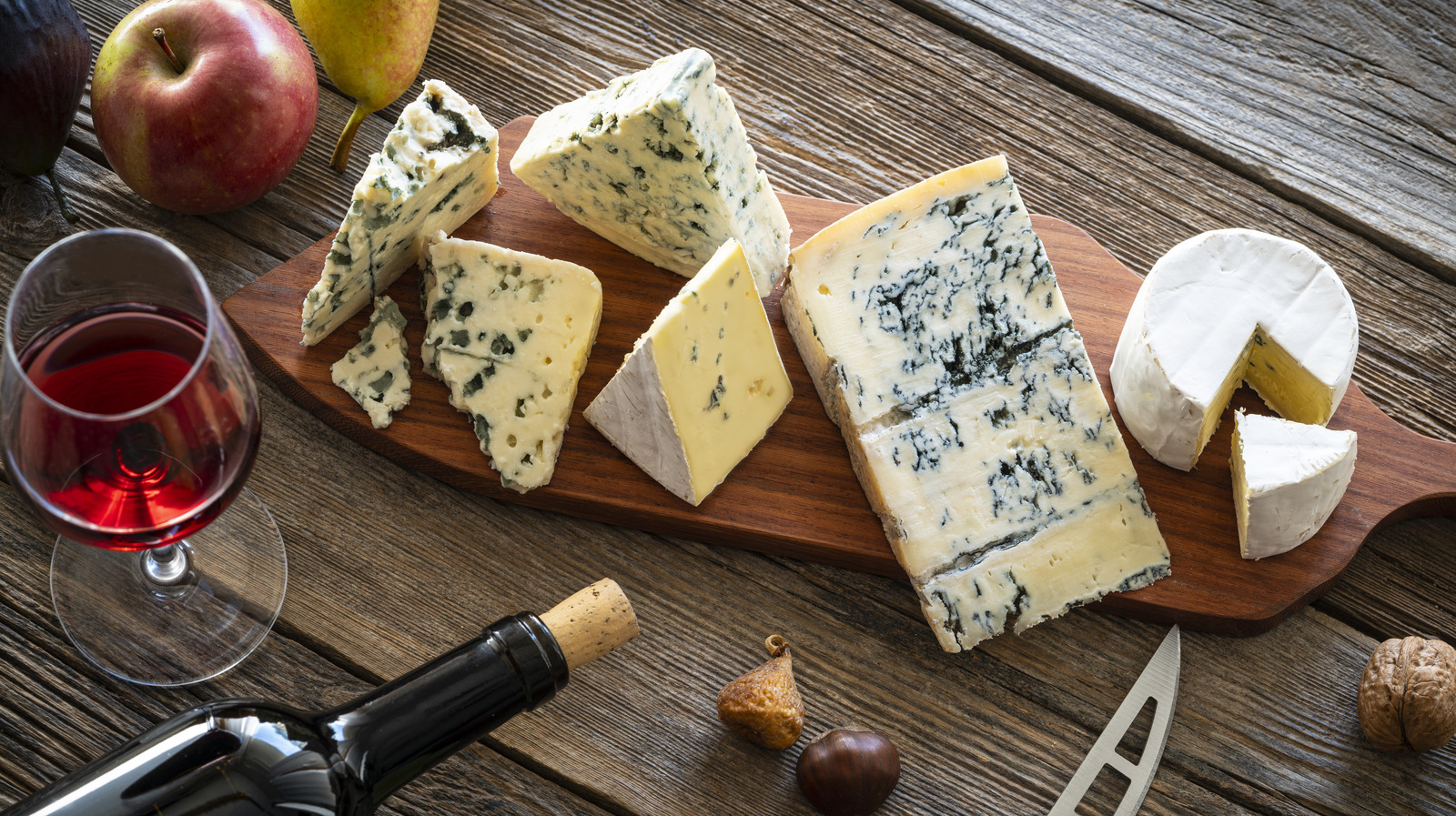
Masgonzola is described as a premium artisan-style cheese appreciated for its creamy texture, rich aroma, and balanced flavor. Inspired by traditional European cheese-making techniques, it combines a smooth consistency with a mildly tangy taste, making it suitable for both everyday meals and gourmet recipes.
Its growing popularity among food enthusiasts is attributed to its versatility, attractive appearance, and ability to complement a wide variety of dishes.
History of Masgonzola
According to this illustrative description, Masgonzola draws inspiration from traditional blue-veined cheeses that have been produced across Europe for centuries. Artisan cheesemakers refined classic production techniques to create a cheese with a creamy body, delicate blue marbling, and a balanced flavor profile.
Over time, it became known for combining traditional craftsmanship with modern quality standards, making it a favorite among cheese enthusiasts looking for unique flavors.
Characteristics of Masgonzola
Masgonzola offers several distinctive qualities.
Texture
The cheese has a soft to semi-soft texture that becomes creamier as it matures. It spreads easily while remaining firm enough for slicing.
Appearance
Its interior is pale ivory with decorative blue-green marbling throughout. The exterior develops a light natural rind during maturation.
Flavor
Masgonzola delivers a creamy, buttery taste with mild tanginess and subtle earthy notes. Younger varieties are softer and milder, while aged versions develop a richer and more complex flavor.
Aroma
The aroma is pleasantly earthy with creamy dairy notes and a gentle pungency that becomes stronger during aging.
Production Process

This illustrative version of Masgonzola follows traditional artisan cheese-making methods.
- Fresh milk is prepared for cheese production.
- Starter cultures are added to begin fermentation.
- Natural rennet forms the curds.
- The curds are cut and drained.
- The cheese is molded into wheels.
- Salt is added to enhance flavor.
- Controlled aging develops texture and character.
- Regular monitoring ensures consistent quality.
Careful craftsmanship helps produce a cheese with a smooth texture and balanced flavor.
Types of Masgonzola
Several varieties are commonly described.
Young Masgonzola
- Mild flavor
- Creamy texture
- Ideal for sandwiches and crackers
Aged Masgonzola
- Richer taste
- Firmer texture
- Excellent for cooking and cheese boards
Creamy Masgonzola
This version has an extra-soft consistency that spreads easily on artisan bread.
Reserve Masgonzola
Produced with extended maturation, offering deeper flavor and a more pronounced aroma.
Culinary Uses
Masgonzola works well in many recipes.
Popular serving ideas include:
- Cheese platters
- Fresh salads
- Pasta dishes
- Cream sauces
- Gourmet burgers
- Artisan pizzas
- Risotto
- Stuffed vegetables
- Savory pastries
- Sandwiches
It also pairs well with fresh fruit, roasted nuts, honey, and crusty bread.
Illustrative Nutritional Profile
As a cheese-style food, Masgonzola may provide nutrients commonly associated with dairy products, including:
- Protein
- Calcium
- Phosphorus
- Vitamin A
- Healthy fats
The exact nutritional values depend on the specific recipe and production method.
Storage Tips
To maintain quality:
- Refrigerate after opening.
- Wrap in cheese paper or wax paper.
- Avoid excessive moisture.
- Keep away from foods with strong odors.
- Consume within the recommended storage period.
Proper storage helps preserve texture and flavor.
Why People Enjoy Masgonzola
Food lovers appreciate Masgonzola for several reasons:
- Creamy consistency
- Rich flavor
- Attractive appearance
- Versatile cooking applications
- Artisan-inspired production
- Suitable for both everyday meals and special occasions
Its balanced taste makes it enjoyable for both experienced cheese enthusiasts and those exploring specialty cheeses.
Frequently Asked Questions
1. What is Masgonzola?
In this illustrative article, Masgonzola is presented as an artisan-style cheese known for its creamy texture and rich flavor.
2. What foods pair well with Masgonzola?
It pairs well with bread, crackers, fruit, salads, pasta, roasted vegetables, and cheese boards.
3. Is Masgonzola suitable for cooking?
Yes. It can be incorporated into sauces, pasta, pizzas, and other savory dishes.
4. How should Masgonzola be stored?
Store it in the refrigerator, wrapped appropriately to help preserve freshness and texture.
Conclusion
Masgonzola is presented here as an artisan-inspired cheese celebrated for its creamy texture, distinctive flavor, and versatility in the kitchen. Whether served on a cheese board, added to pasta, or enjoyed with fresh bread, it offers a rich culinary experience. This sample demonstrates the style and structure of a long-form food article while remaining suitable as an example for content layout and writing.
Related Post
- Cabot Circus Car Park Guide: Prices, Hours & Tips (2026)
- Best Guiso De Arroz Near Me: Find Authentic Rice Stew
- UST Projector Screens: ALR vs White Wall Comparison
 blitz
blitz